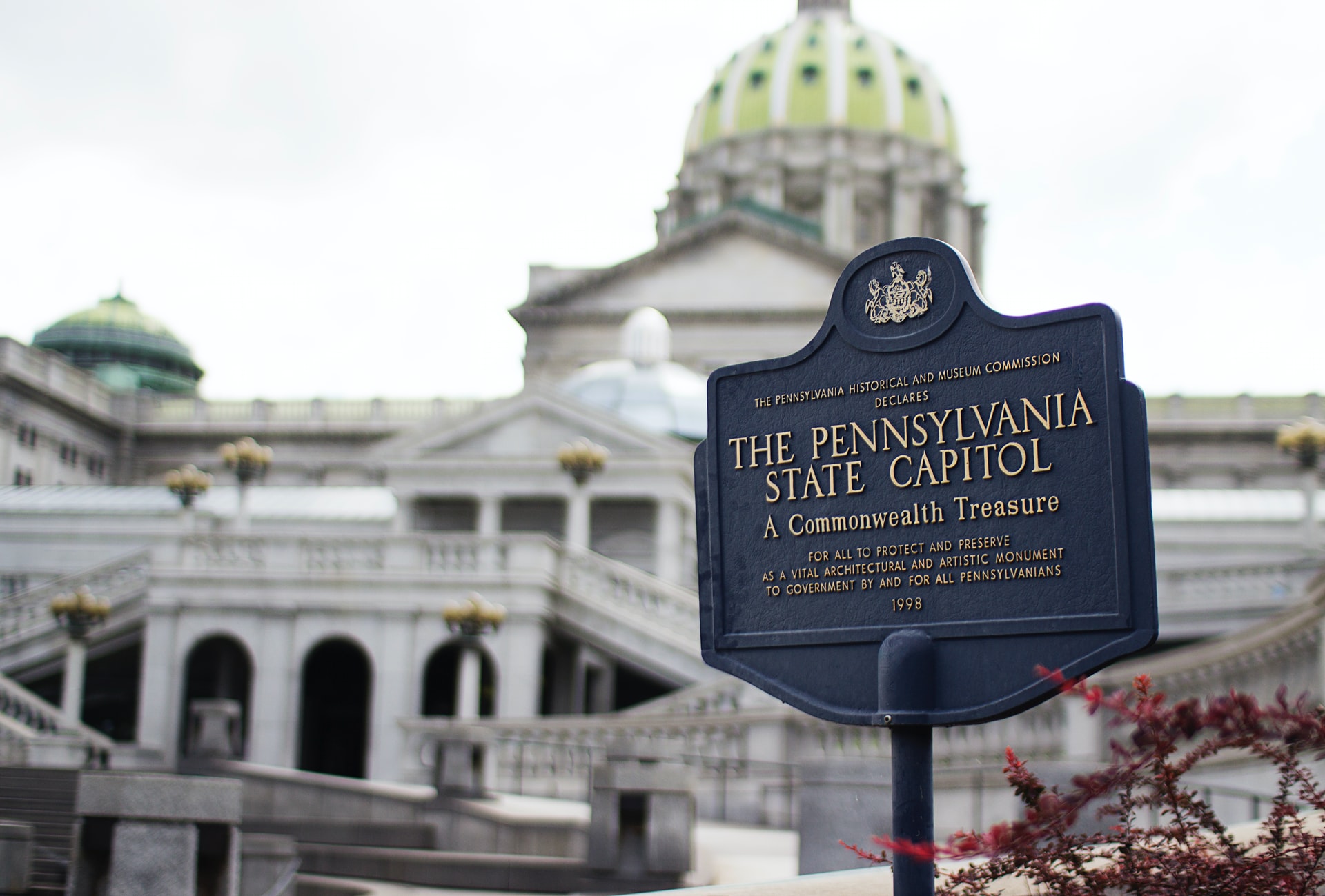
Erie County legislators offered their opinions on the 2026-27 Pennsylvania budget, which was signed by Governor Josh Shapiro (D-PA) on Sunday evening, 12 days past the June 30th deadline.
State Senator Dan Laughlin’s office released the following:
“This budget is not perfect, but it represents a responsible compromise that protects taxpayers, preserves our reserves and directs substantial new resources toward the services people depend on,” Laughlin said. “Most importantly for Erie County, it brings more than $20 million in additional state education funding into the 49th Senatorial District while also strengthening nursing homes, mental-health care, victim services, childcare workforce development and transportation infrastructure.”
Gov. Josh Shapiro originally proposed a budget that would have increased spending by $2.7 billion (5.4% increase) and taken approximately $4.6 billion from the state’s emergency reserves in the Rainy Day Fund. His plan would have required massive tax increases as soon as next year.
The final agreement cut more than $1.1 billion from the governor’s spending request and will not require any withdrawals from the Rainy Day Fund, setting the state on a more sustainable path and avoiding potential bond downgrades and higher debt costs.
Some Key Investments Directly Impacting Erie County
The budget delivers a long-awaited cost-of-living adjustment for SERS and PSERS members who retired before July 2, 2001, helping older public employees and school retirees whose pensions have not kept pace with rising costs. The COLAs took effect July 1, with annual costs of approximately $38.4 million for SERS and $88.8 million for PSERS, funded by the commonwealth rather than local school districts.
The budget also maintains $5 million for neurodegenerative disease research, supporting work focused on ALS, Alzheimer’s disease, Huntington’s disease, Parkinson’s disease and other devastating neurological conditions. It also continues a dedicated share of Tobacco Settlement research funding for biomedical institutions studying these diseases.
A 3.9% rate increase was appropriated for LIFE Program providers, representing approximately $3.5 million in additional state funding to help community-based organizations continue serving seniors who require nursing-home-level care while allowing them to remain safely in their homes and communities.
State support for rape crisis programs nearly doubles, increasing by $12 million to approximately $24.2 million. This strengthens services available to victims and survivors in Erie County.
Across the 49th District’s 12 public school districts, the budget provides approximately $331.6 million in total education funding — $19.2 million more than the 2025-26 fiscal year. The education funding total includes the estimated basic education funding, special education funding and ready-to-learn block grant allocation, and the increase is driven primarily by the latest phase of adequacy and tax-equity funding.
State Rep. Ryan Bizzarro (D-3rd Dist.), the House Majority Policy Committee Chair released this:
“This budget puts our priorities front and center – easing the burden on your wallet while delivering better schools, better jobs, and safer communities,” Bizzarro said. “Year after year we’ve shown that we can grow our economy by making smart investments while also putting money back in the pockets of our seniors and working families.”
Budget highlights include:
Making life more affordable: The 2026/27 budget makes life more affordable by addressing rising energy costs, supporting reliable infrastructure, and protecting consumers. Efforts to cap energy price spikes and strengthen consumer protections will help families manage monthly utility bills. Many public sector retirees, including some teachers, cops and firefighters, will see their retirement checks increase, helping cover everyday costs.
Supporting working families: The budget continues to help hard-working families keep more of their paychecks through the Working Pennsylvanians Tax Credit. This year alone, the credit cut the taxes of almost a million families, for a total of $200 million. The budget makes childcare more accessible and strengthens the workforce that keeps Pennsylvania’s economy moving by maintaining $422 million for affordable childcare while increasing funding for childcare worker recruitment and retention by 20%. These types of investments help parents stay in the workforce and gives their kids safe, high-quality care and early learning opportunities.
Education and workforce development: Public schools are seeing another historic funding increase, including more than $2 million in total for Fairview and Millcreek School Districts. An additional $10 million for Career and Technical Education will help more students get the skills they need to work in-demand careers here at home. Students pursuing higher education will also benefit through increased state grants, expanded scholarships, fully funded student teacher stipends, and additional support for Pennsylvania’s universities.
Growing Pennsylvania’s economy: The budget includes major investments that help small businesses expand, revitalize downtowns, and create jobs. Redevelopment investments include and additional $20 million for the Main Street Matters program and more support for industrial site redevelopment.
Healthier, safer communities: The budget strengthens Pennsylvania’s health care system by investing in mental health services. Services for individuals with intellectual disabilities have been boosted, including 1,250 additional community waiver opportunities. The budget also invests in safer communities through increased funding for law enforcement, school safety and violence prevention programs, fire and emergency services and other public safety initiatives.
“By investing in working families, small businesses, education, healthcare, and community development, we’re creating more opportunity and a stronger future for the Erie region,” Bizzarro said. “Workers and families deserve a budget that helps them succeed – not just today, but for years to come.”
Meanwhile, State Rep. Brad Roae (R-6th Dist.) was critical of the final budget passed:
“The major education line items in the budget are Basic Education, special education and the Ready to Learn Block Grant. The funding per student in the new budget varies greatly by school district. Erie gets $13,712 per student, but Millcreek only receives $4,324 and Fairview just $3,984. Northwestern gets $10,480 and Girard receives $9,064. I have not reviewed Crawford County school districts yet because it was not until about 7:30 p.m. Saturday we got access to the 673 pages of budget-related bills. It’s ridiculous that the Democrat majority expects legislators to read and understand 673 pages on Saturday evening and vote on the budget-related bills on Sunday.
“When the 2025-26 budget was passed, it included $267.5 million for the House of Representatives. This budget language retroactively increases last year’s funding to $271.5 million. That is just one of many examples of funding being retroactively increased in last year’s budget to give the appearance of being flat funded or only getting a minor increase this year.
“The budget is NOT balanced. The budget retroactively defers paying $1.3 billion of medical assistance bills in the 2025-26 budget. It also defers paying another $1.3 billion in the new budget. We are not really preserving the Rainy Day Fund; we are just delaying when we will have to spend it and need a tax increase. Transfers from other dedicated funds that are intended for other things are also being done to mask the true size of the overspending compared to revenue.
“In addition, this budget gives an almost $1.5 billion cost-of-living adjustment for long-term teacher and state worker retirees. The State Employees’ Retirement System (SERS) and the Public School Employees’ Retirement System (PSERS) pension funds are already underfunded by about $60 billion. This change will cost an additional $146.5 million for 10 years in a row and makes the situation worse.
“The $50.8 billion in spending is a fake number because it does not include the $2.6 billion we are shoving into future years.”
For more information on 2026-27 state budget, visit www.pabudget.com.